How to Spot Roof Problems Before They Become Leaks
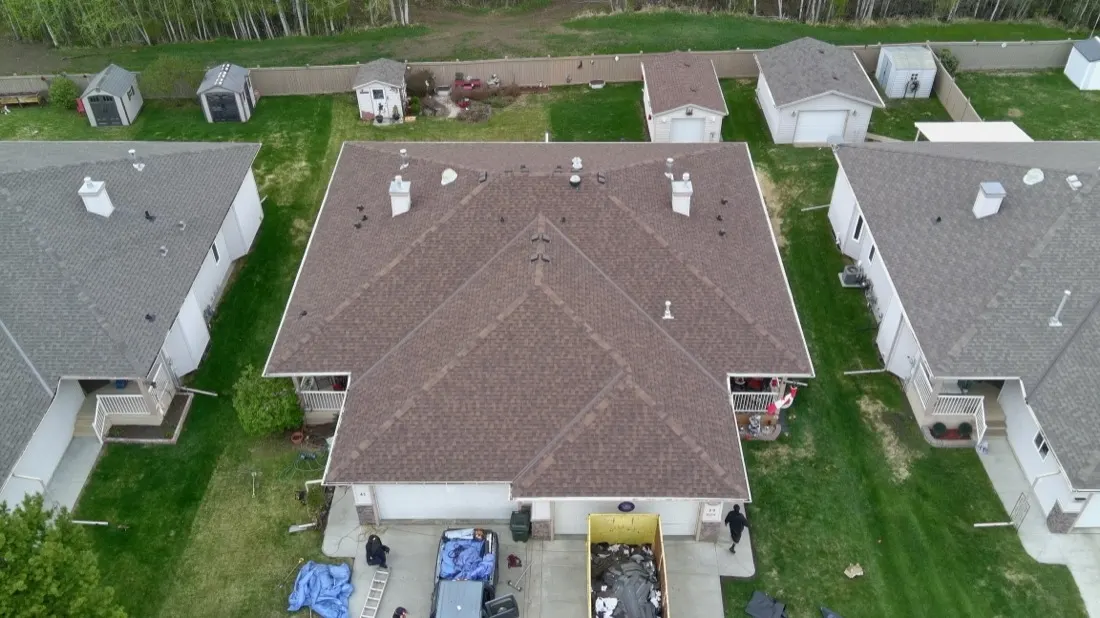
Most roof leaks do not start with a dramatic failure. They often begin with a lifted shingle, worn flashing, a clogged gutter, or moss holding moisture against the surface. In a wet climate, spotting those early warning signs can keep a small issue from spreading.
Start with a walk around the house
You do not need to climb a ladder to spot many common problems. On a dry day, walk around your home and look at each roof slope from the ground. Binoculars can help you see details safely.
- Curling or cracked shingles. Lifted or cupped edges can create a path for wind-driven rain.
- Missing shingles or dark patches. A bare area after strong wind should be assessed before the next stretch of rain.
- Moss growth. Moss holds moisture against the roof and can work into the edges of shingles over time.
- Sagging lines. The ridge and roof planes should look straight. A dip or wave can indicate a problem below the surface.
- Granules in the gutters. Asphalt shingles shed some granules as they age. A steady buildup can be a sign of wear.
For a flat or low-slope roof, look for ponding water, blisters, cracks, or open seams in the membrane. These systems drain differently from sloped shingle roofs, so they need their own inspection approach.
Check the attic and ceilings
The attic can reveal signs that are not obvious from outside. On a dry day, use a flashlight to look for dark streaks, water stains, damp insulation, soft-looking sheathing, or daylight through the roof deck. Do not touch wiring or enter an area that is unsafe to reach.
Inside the living space, watch for brown rings, bubbling paint, or stains that grow after rain. Water can travel along rafters and other materials, so the visible stain may be some distance from the entry point.
Why wet weather makes early action important
Repeated rain and wind can turn a small opening into a larger problem. Wood that stays wet can deteriorate, and trapped moisture can affect insulation and interior finishes. Keeping gutters clear also matters because water needs an unobstructed path away from the roof.
Seasonal checks are useful, especially before and after the wettest months. Stay on the ground unless you have the right training and fall-protection equipment.
Repair or replace?
A localized issue may be a good candidate for roof repair when the surrounding roof is still serviceable. Examples can include a small area of damaged shingles, isolated flashing failure, or a limited membrane defect.
Roof replacement may make more sense when wear is widespread, leaks recur in different areas, the underlying deck is deteriorated, or the existing system has reached the end of its useful life. The right recommendation depends on the roof's condition, not one symptom alone.
Material choice also depends on the roof. CL Roofing works with IKO and Malarkey shingle systems for sloped roofs, Soprema two-ply torch-on for flat and low-slope roofs, and liquid membrane waterproofing for suitable surfaces.
Make roof checks a regular habit
Set a reminder to look over the roof from the ground and check the attic at least twice a year, as well as after unusually strong wind or rain. Clear gutters and downspouts so water can drain properly.
If you find damage or are unsure what you are seeing, CL Roofing offers free on-site estimates and clear written quotes. Call (587) 317-4267 to describe the issue and arrange an assessment.
Not sure what your roof needs?
Send us a couple of photos or book a free on-site estimate. We will explain the recommended scope and provide a clear written quote.
Get a Free Quote Or call to discuss your roof: (587) 317-4267